The horror genre offers us many opportunities to fear, but also (and more importantly) to reflect on our human condition. Here, I provide an exploration of just that.
My Meditations on Monsters and Their Masters
Guillermo Del Toro’s artistry can practically guarantee three things: horror, beauty, and the challenge of determining what should be placed into those categories. Historically, the true monsters in his films are not supernatural, but rather the worst examples of humanity. It is no surprise that his angle offered a retelling of a classic monster; to the audience’s shock was perhaps his handling of Mary Shelley’s iconic contribution. As a result, the internet has erupted with polarizing discourse about Del Toro’s Frankenstein– is it loyally feminist, or not? This discussion will attempt to untangle such a question via the director’s possible intentions, without making claims about its success.
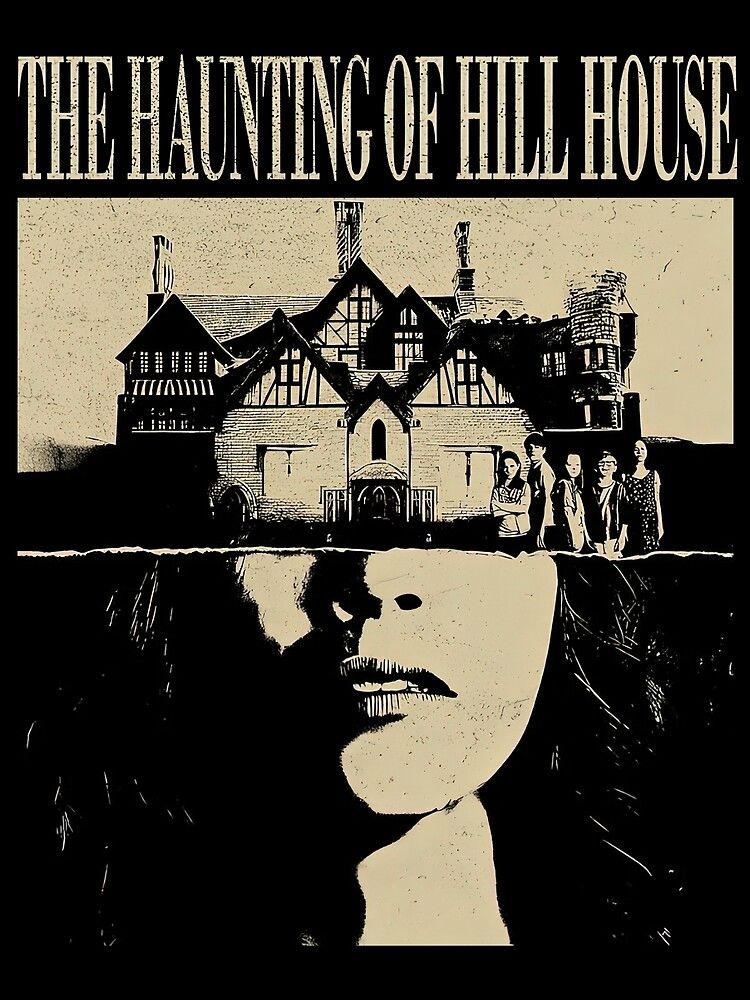
The haunted house is one of many overused tropes in horror, known for its predictable storytelling methods- spooky setting, disturbing events, and eerie sounds. In the horror genre, fear is generally the focus. Directors sometimes choose to capitalize on the shortcomings of the genre by fully embracing cliches for parodies, while other horror films unintentionally veer into comedy due to their failed attempts at invoking fear. An intriguing question is then raised: what can genre accomplish through the emotions it evokes? This paper will explore such a question by examining thoughts from Noël Carroll’s paper “Film, Emotion, and Genre,” using The Haunting of Hill House– both Shirley Jackson’s novel and Mike Flanagan’s Netflix series- as case studies. I will argue that the key differences between these works challenge the conception that genre is meant to invoke specific emotions; Flanagan’s work is successful in this, through his discussions of community, the lasting impact of trauma, and the trajectory to suicide.
 alex does philosophy